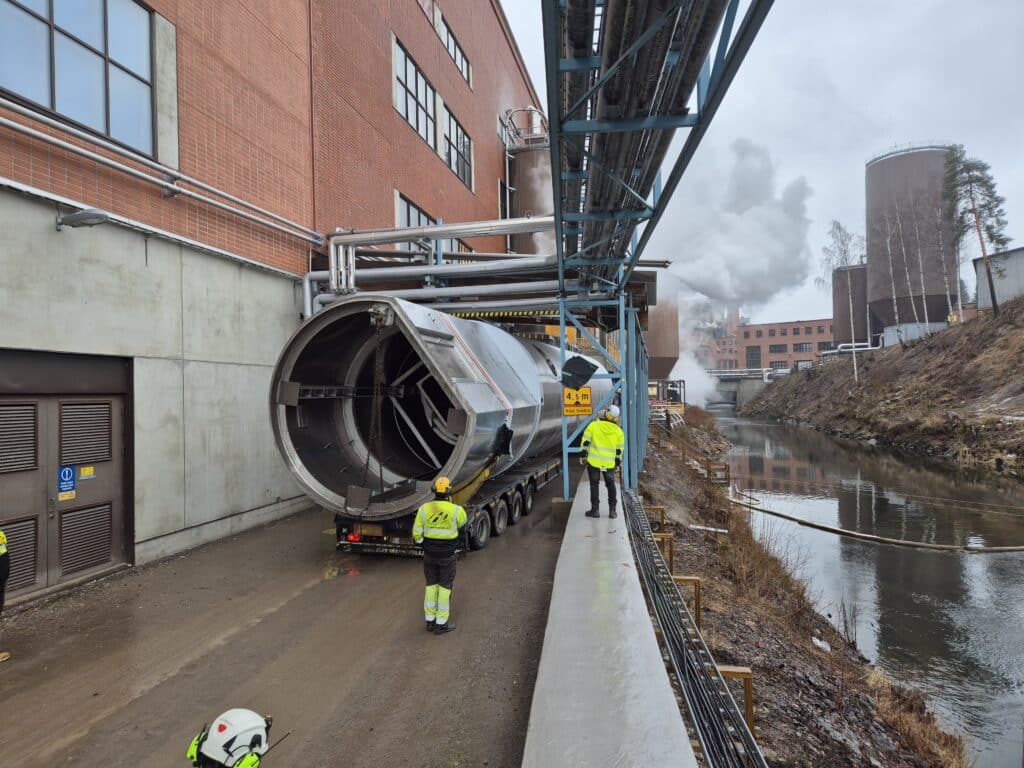
In 2025, Adpap Oy carried out a major development project at Metsä Board’s Simpele mill. The project included the modernization of the board machine’s pre-drying section as well as the installation of a state-of-the-art coating section on the production line.
The main objective was to enable the use of fossil-free energy in production while improving cost efficiency and long-term process performance.
“The goal was to improve the print quality of the product so that it meets the needs of more demanding end users. At the same time, the project supports our long-term sustainability targets,” says Ari-Pekka Rytkönen, Development Manager at Metsä Board.
The company aims to eliminate the use of fossil fuels at its mills by 2030. This project supported that target, as the drying process was converted from liquefied gas to electricity.
“Our production is now approximately 98% fossil-free, compared to about 89% before. Removing liquefied gas from the site also reduces risks and improves the plant’s safety classification,” Rytkönen explains.
Cost savings and smoother operations
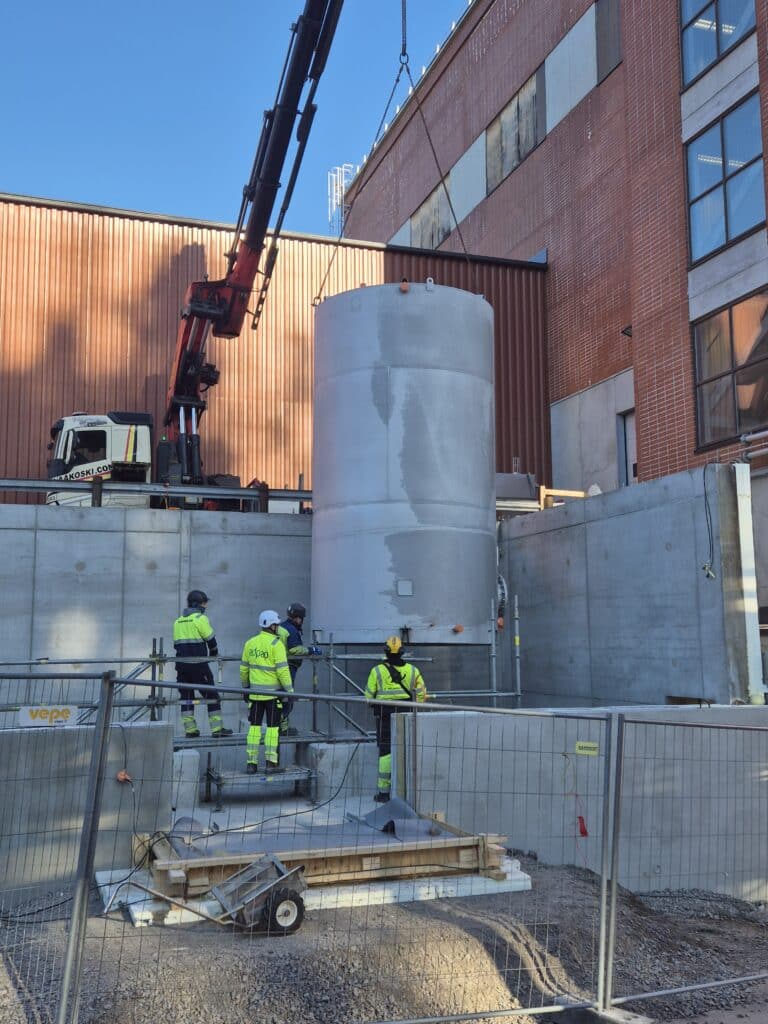
A key technical upgrade in the project focused on the surface sizing preparation process. The mill implemented an enzymatic starch conversion process developed by Adpap Oy, replacing modified starch with native starch.
“Native starch offers several benefits. It is more cost-efficient and supports a more stable and predictable process,” Rytkönen says.
The changes are also visible in day-to-day operations.
“We have largely eliminated manual sack handling, as raw materials are now fed directly into silos. This improves safety and frees up time for other tasks,” he adds.
The right partner ensured smooth execution
Adpap Oy was responsible for the project as a whole. The delivery included detailed 3D plant and piping design, equipment supply with installation, as well as piping installations. The scope also covered supervision, commissioning, and start-up activities to ensure an efficient transition to production.
Adpap was selected as the supplier through a competitive tendering process.
“There are only a limited number of suppliers globally for this type of equipment. Adpap’s concept best met our needs. Their domestic presence and the availability of after-sales support also influenced our decision,” says Project Manager Aki Taiponen.
Collaboration during the project was close and practical, which was particularly important in a complex mill environment.
“Integrating new equipment into an existing plant requires careful planning. The cooperation was open and flexible,” Taiponen describes.
Key success factors included a well-maintained schedule, phased commissioning, and strong support from the supplier. Adjustments during the project were handled smoothly.
“Adpap’s expertise and the experience of their project team were clearly evident,” Rytkönen concludes.